
Top Kerala Food Items with Price List
Prices below reflect typical ranges found across casual Kerala restaurants and toddy shops in India. Actual prices vary by city, restaurant type, and portion size — always check the menu on-site for exact rates.
| Dish | Description | Average Price Range (INR) |
|---|---|---|
| Puttu & Kadala Curry | Steamed rice cake with black chickpea curry | ₹60 – ₹120 |
| Appam with Stew | Lacy rice pancake served with coconut milk stew | ₹80 – ₹150 |
| Kerala Sadya | Full vegetarian thali served on banana leaf | ₹150 – ₹350 |
| Fish Moilee | Fish simmered in coconut milk curry | ₹200 – ₹400 |
| Karimeen Pollichathu | Pearl spot fish wrapped and grilled in banana leaf | ₹300 – ₹600 |
| Kerala Parotta | Layered flaky flatbread | ₹15 – ₹40 per piece |
| Beef Fry (Kerala Style) | Dry-roasted beef with coconut slices | ₹180 – ₹350 |
| Idiyappam | Steamed rice noodles, usually eaten with curry | ₹50 – ₹100 |
| Avial | Mixed vegetable curry with coconut and curd | ₹80 – ₹150 |
| Payasam | Sweet dessert made with rice, jaggery, or vermicelli | ₹40 – ₹100 |
| Thoran | Stir-fried vegetables with grated coconut | ₹60 – ₹120 |
| Malabar Biryani | Fragrant rice dish with meat and fried onions | ₹180 – ₹350 |
Puttu & Kadala Curry
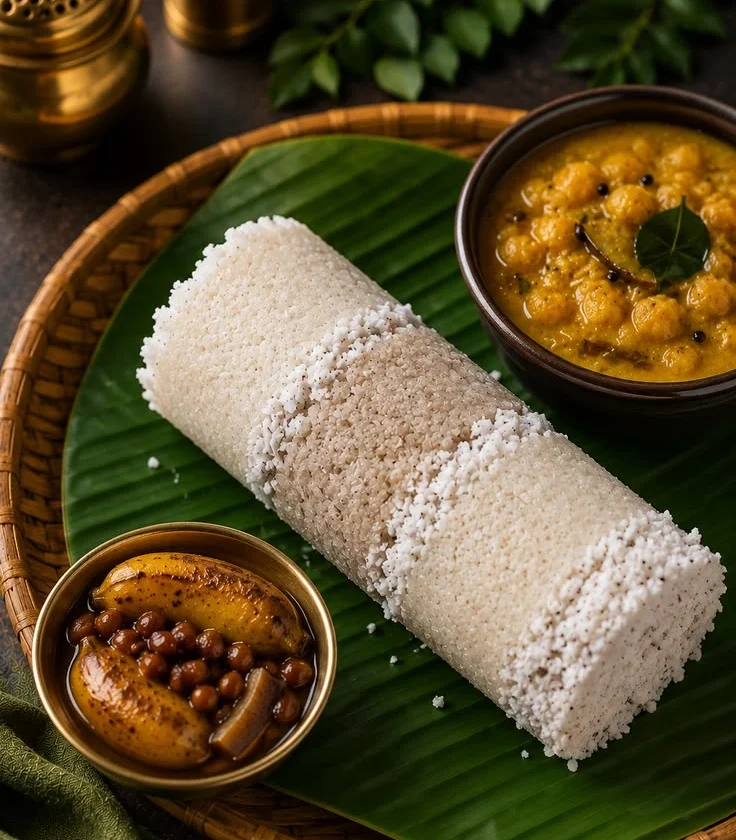
Puttu is a cylinder of steamed rice flour layered with fresh grated coconut, cooked in a special mould until it turns soft and fluffy. On its own, it’s fairly plain, which is exactly why it pairs so well with kadala curry — a black chickpea curry cooked in a coconut and spice base. The combination is a breakfast staple in most Kerala households, often eaten with a banana or a spoon of sugar on the side for a sweeter bite. It’s simple to make, filling without feeling heavy, and rarely disappoints even on a rushed morning.
Appam with Stew
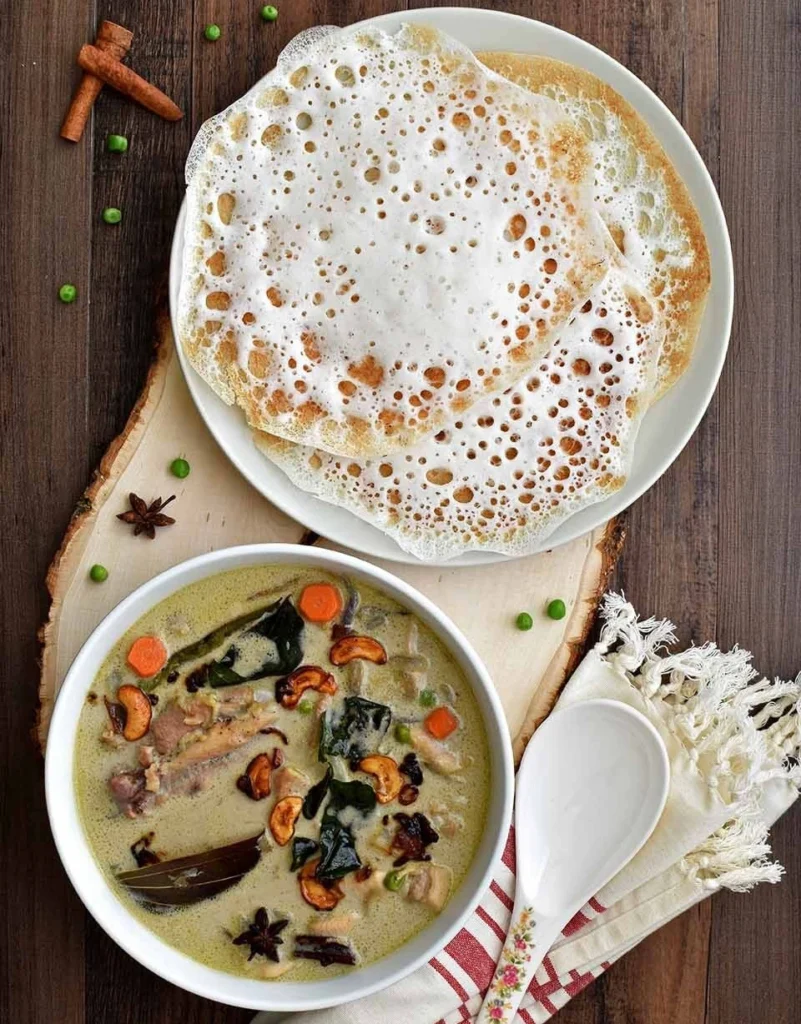
Appam looks nothing like a regular pancake — it’s thin and crisp at the edges, soft and slightly spongy in the middle, almost like it has a personality of its own. The batter, made from fermented rice and coconut milk, gives it a mild tang that balances beautifully with a creamy vegetable or chicken stew flavored with cinnamon, cardamom, and coconut milk. This pairing shows up at breakfast, dinner, and pretty much every festive table in between. It’s gentle on the palate, easy to eat in bulk, and a favorite among first-time visitors to the region.
Kerala Sadya
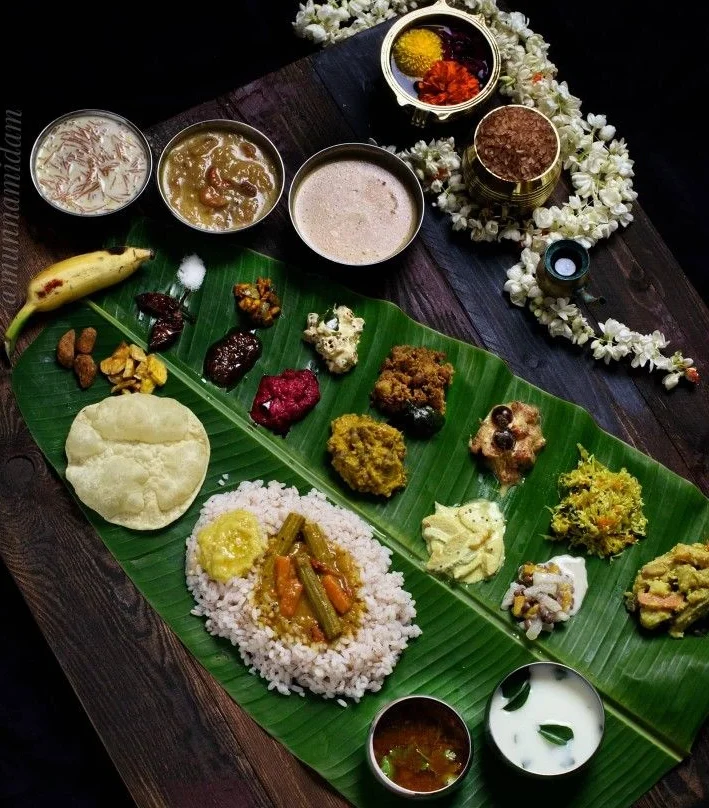
A sadya isn’t a single dish — it’s an entire event served on a banana leaf. Expect rice at the center, surrounded by sambar, rasam, avial, thoran, pickles, papadam, and a payasam to finish things off. Everything is meant to be mixed and eaten in a particular order, and locals take that order seriously. Sadyas typically appear during festivals like Onam, though many restaurants now serve a smaller everyday version. It’s less about any one flavor and more about the balance between sweet, sour, spicy, and savory hitting your plate all at once.
Fish Moilee
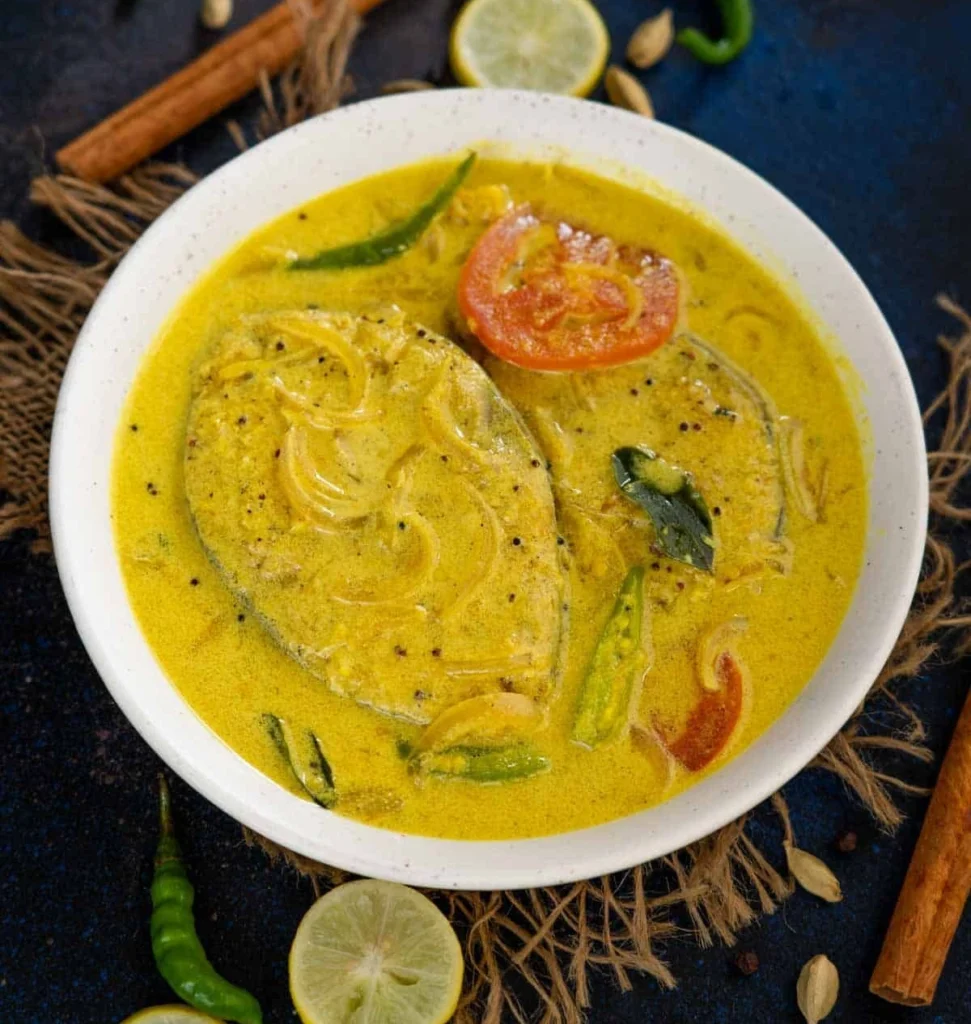
Fish moilee takes fresh fish and simmers it gently in a light coconut milk curry, flavored with ginger, green chilies, curry leaves, and a touch of turmeric. Unlike spicier fish curries, moilee stays mild and slightly sweet, letting the fish itself take center stage instead of getting buried under heat. It pairs beautifully with appam or plain rice, and the sauce alone is often reason enough to order a second helping. Coastal households have their own family versions, but the core idea — coconut milk doing the heavy lifting — stays consistent across most kitchens.
Karimeen Pollichathu
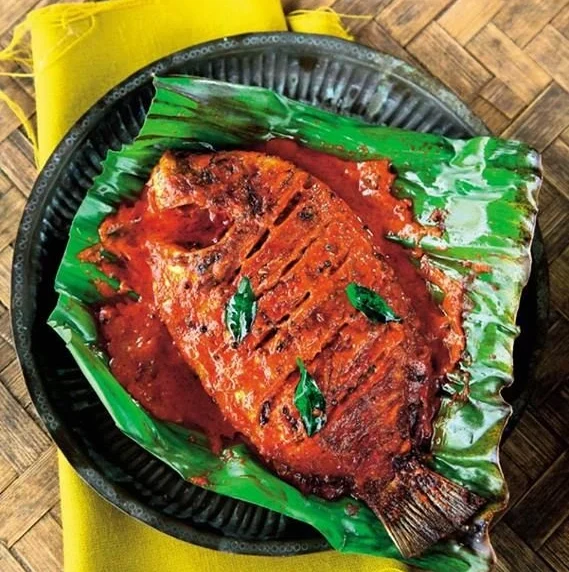
Karimeen, or pearl spot fish, gets marinated in a spicy masala, wrapped in a banana leaf, and slow-cooked or grilled until the leaf itself turns fragrant and slightly charred. Unwrapping it at the table is part of the experience — the aroma hits before the first bite even happens. The masala clings to the fish rather than overwhelming it, and the banana leaf adds a subtle earthy note you simply can’t fake with regular cooking methods. It’s often considered a special-occasion dish, though many restaurants along the backwaters serve it as a regular menu item.
Kerala Parotta
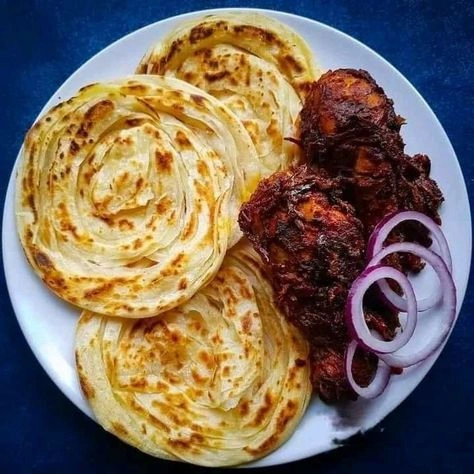
Kerala parotta is layered, flaky, and slightly chewy, made by folding and rolling dough in a way that creates dozens of thin layers before it’s cooked on a hot griddle. It’s less about the dough itself and more about texture — pull one apart and you’ll see thin strands separating easily. Parottas pair with almost anything, from vegetable kurma to a spicy egg roast, and they’re a common late-night snack across Kerala’s streets. Restaurants often serve them fresh off the griddle, which makes a noticeable difference compared to reheated versions.
Beef Fry (Kerala Style)
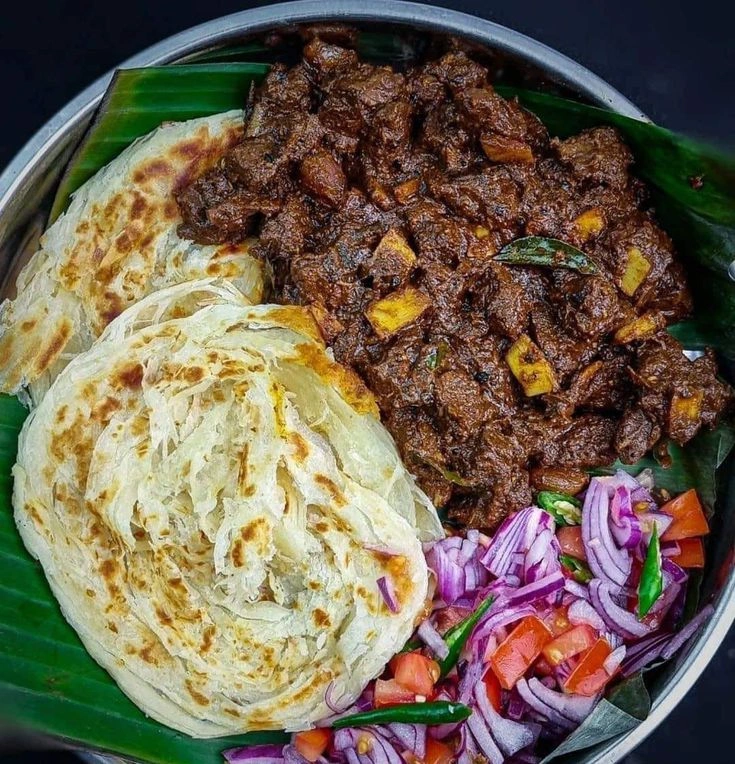
Beef fry here isn’t a quick stir-fry — it’s a slow process involving tender beef pieces cooked down with coconut oil, curry leaves, and thinly sliced coconut until everything turns dark and slightly crisp at the edges. The result is intensely flavorful, with a smoky depth that comes from patient roasting rather than heavy spice alone. It’s typically served alongside parotta or rice, and the coconut slices scattered throughout add little bursts of crunch. This dish has a loyal following, especially in Kerala’s central and northern regions.
Idiyappam
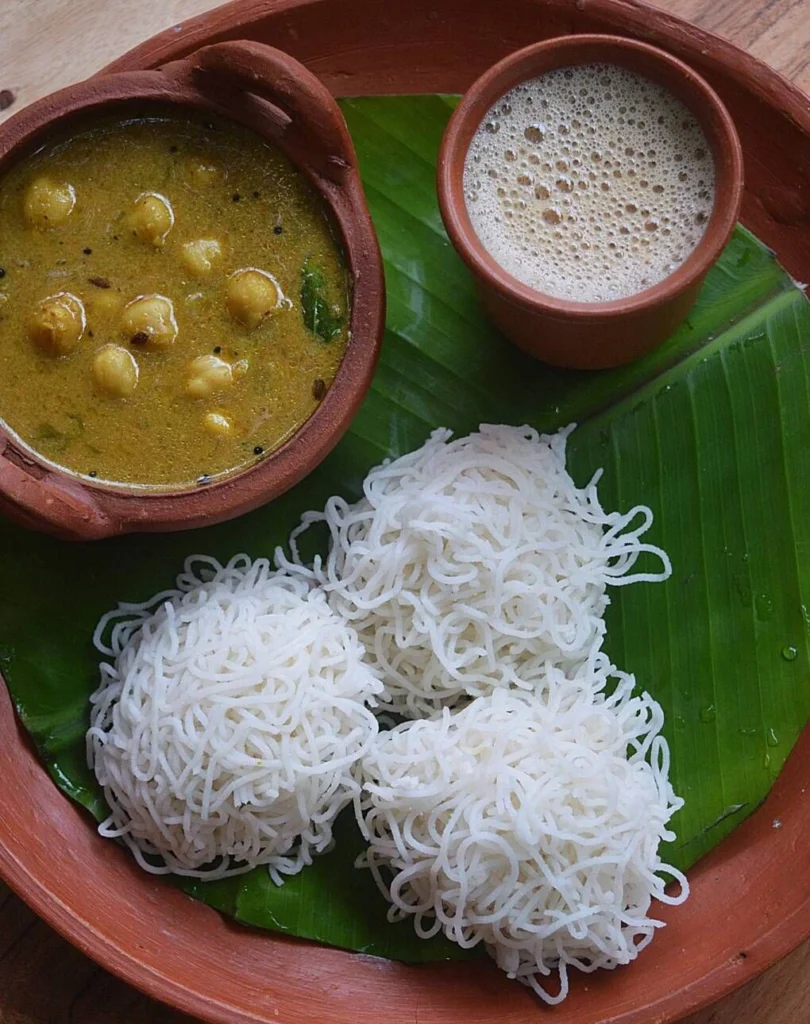
Idiyappam is made by pressing rice dough through a mould into thin noodle-like strands, then steaming them into soft, delicate rounds. It has a much lighter texture than puttu, almost feeling like a savory version of vermicelli. Most households pair it with a vegetable stew, egg curry, or even a simple coconut milk and sugar mix for a sweeter breakfast option. Because it’s light and easy to digest, idiyappam is a common choice for early mornings or as a gentler alternative when heavier meals feel like too much.
Avial
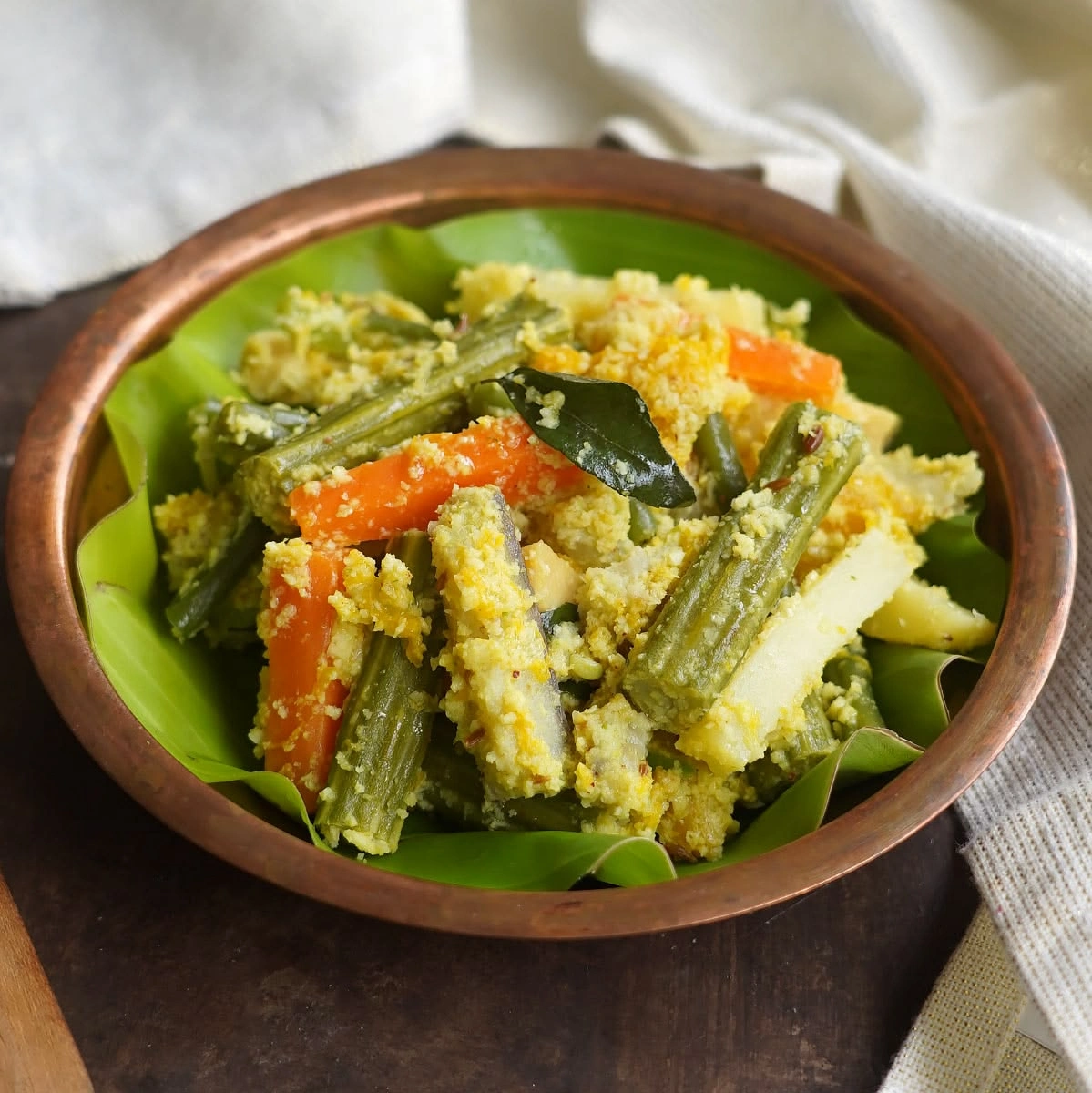
Avial brings together a mix of vegetables — drumstick, carrot, beans, raw banana, and more — cooked with a thick coconut and yogurt paste until everything turns creamy without losing its shape. A drizzle of raw coconut oil right before serving gives it a distinct aroma that’s hard to replicate any other way. It’s a staple part of the sadya spread, but plenty of households make it as a standalone side dish too. The tanginess from yogurt balances the richness of coconut, making it feel light despite the number of ingredients involved.
Payasam
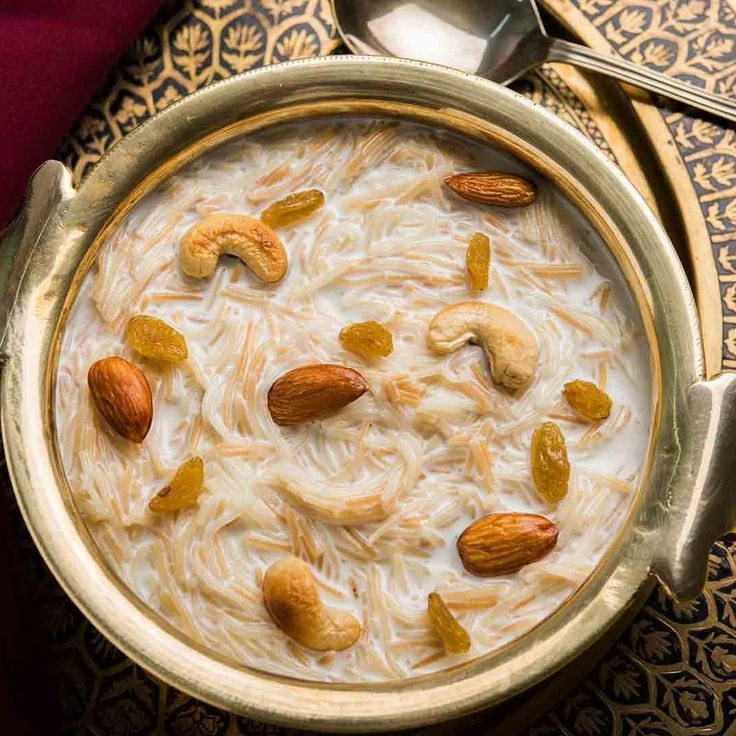
Payasam is Kerala’s answer to dessert, and it comes in more versions than most people realize. Some use rice, others use vermicelli, and the sweetener ranges from plain sugar to dark, earthy jaggery. Coconut milk or dairy milk usually forms the base, simmered slowly until it thickens into a rich, comforting consistency. Cashews and raisins fried in ghee often top it off for a bit of crunch. Nearly every festive meal ends with a bowl of payasam, and each family tends to have a version they consider the “right” one.
Thoran
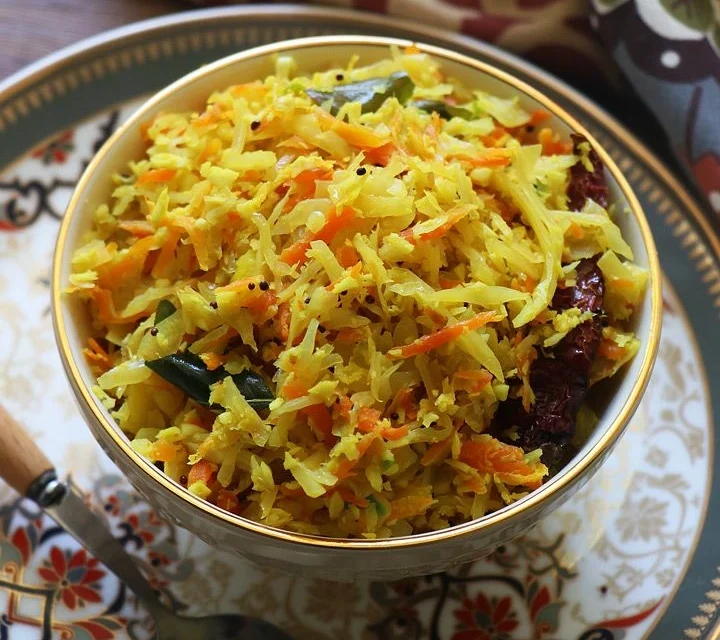
Thoran is a simple stir-fry made by cooking finely chopped vegetables — cabbage, beans, or beetroot are common choices — with grated coconut, mustard seeds, and curry leaves. It’s quick to prepare and works as an everyday side dish rather than something reserved for special occasions. The coconut adds texture and a mild sweetness, while the tempering of mustard seeds gives it a slight crackle in every bite. Thoran rarely takes center stage on a plate, but most Kerala meals feel incomplete without at least one version of it sitting alongside the rice.
Before You Go
Kerala’s food culture doesn’t stop at the plate. Toddy shops along the backwaters pair fish curry with fresh toddy, though a peg of whisky works just as well with beef fry or biryani. Pull up a chair, order a few small plates, and let the meal take its time.
Read More:
